
 Home
 Services
 Experiential Marketing
 Data
 Direct Response
 Print Services
 B2B Outreach
 Energy Marketing
 FAQs
 About Us
 Sustainability
 Blog
 Contact

Marketing has a trust problem, and it’s only getting worse. It’s happening as artificial intelligence enables brands to spend less time producing more marketing material.
But people are also spending more time than ever questioning the things that fill up their screens and social feeds. “Was that real or AI?” is a question we’re all asking almost every day.
AI may have the advantage of helping you produce polished marketing, but if you’re not careful, it will erode trust. That’s a big deal, because we’re now living in what many call a trust economy, and there are studies backing up the idea.
Edelman’s 2026 research found 88% of consumers say trusting a brand is an important or critical factor when making purchase decisions, and Salsify’s 2026 Consumer Research Report found 68% of shoppers will pay higher prices for products from brands they explicitly trust.
Trust is earned not bought. Front door marketing has some unique benefits that help brands build trust in a world where being real stands out.
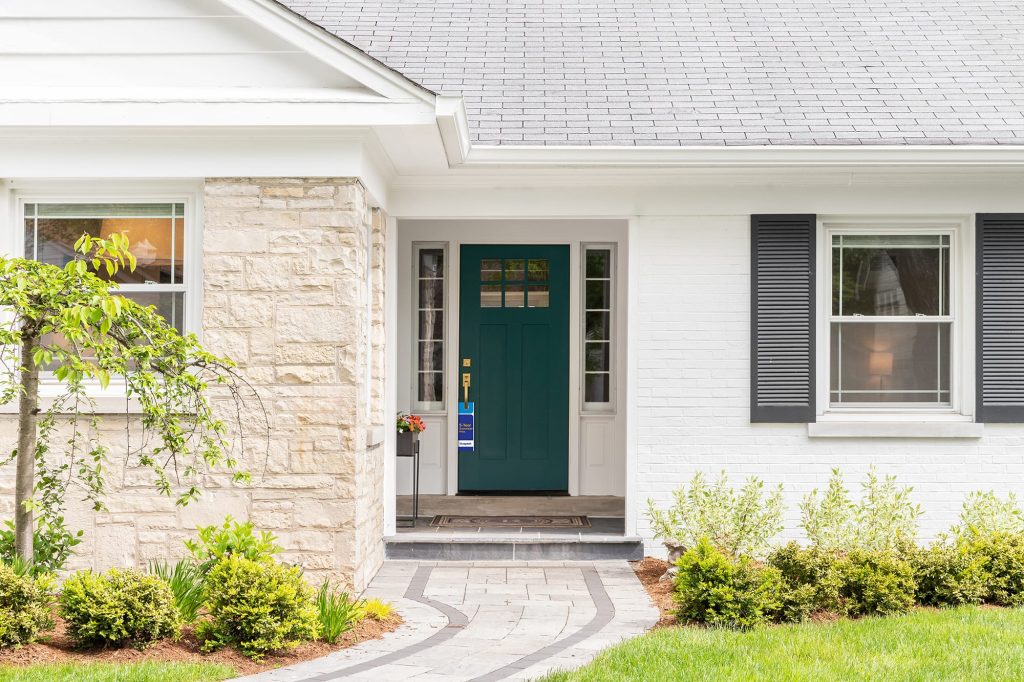
Physical marketing is hard to ignore and easier to believe
Digital marketing is easy to create and distribute. It’s also easy to ignore.
Click unsubscribe on those emails or mark them as spam. Reply “STOP” to make the text messages go away. Skip the ads on the YouTube videos and fast forward through commercials with your DVR.
We’ve become trained to block out digital ads even without an ad blocker. But when marketing shows up in real life, it’s a different story.
A simple door hanger campaign is the perfect example. There’s something to be said about the tactile nature of physical media. I often call our door hangers targeted miniature billboards. But you can actually hold these billboards in your hand, which makes them feel more trustworthy.
The science behind that is known as haptic processing. Touch has been linked with stronger involvement and more favorable consumer responses in a range of marketing contexts.
I also think that when a homeowner receives something at their front door, it builds brand credibility. You know someone representing that company took the time to show up at your door. When what you distribute in those communities provides real value, you create a memorable experience that’s an investment in trustworthiness.
Beyond door hangers, Power Direct has distributed everything from samples of canned beans and bouquets of flowers to 1.4 million energy-saving kits on behalf of utility companies.
This tangible, physical marketing builds trust because it’s more than pixels. It’s real.

Personalization isn’t the same as personal
Our door hanger campaigns are even more effective when they’re followed by visits from brand ambassadors. That’s when an opportunity for face-to-face trust building takes place.
A lot of personalized digital marketing just blends in with the rest of the noise. No one is impressed to see their name in an email subject line any more, and we expect brands to know our preferences.

What does a campaign cost?
Get a custom-built sample campaign with real targeting data, ad creative, cost estimates, and distribution plans.
Use the Project EstimatorDigital marketers love to talk about personalization. The problem is that there’s very little that’s personal about most marketing. That’s not the case with front door marketing and brand ambassadors.
The doorbell rings, and suddenly, you’re having a real conversation with another human being. You’re more than a collection of datapoints. You’re a person with your own questions, concerns, and ideas.
Data, however, still plays a huge role in making engagements at the front door more personal. Power Direct uses thousands of neighborhood-level data selects to help us target and understand the communities where campaigns take place.
Now a brand ambassador can have a relevant conversation, but they’re not just talking, they’re listening and asking questions too. That creates even more valuable data, which gets delivered back to our clients.
Brands love the idea of one-to-one marketing. But you can know someone’s name, location, purchase history, and likely interests while still communicating at a distance. A face-to-face conversation closes that gap, creating a connection and building trust.

Showing up makes the brand feel real
Authenticity and trust go hand in hand. But what makes a brand feel authentic?
There’s a simple answer. You project authenticity when you show up in ways people can actually see and experience.
A door hanger starts to do that. Somebody physically came into your neighborhood and put it on your door. The company isn’t just sitting hundreds of miles away sending messages into the world. They made the effort to show up where you live.
A brand ambassador takes that even further. They’re wearing the company logo. They may have a badge, a vest, or a hard hat depending on the program. They’re not an AI-generated avatar or chatbot. Your target market meets an authentic, relatable human.
That makes the brand feel more tangible and more accountable. You’re interacting with someone who is there representing the company instead of a faceless digital message.
Authenticity goes beyond saying the right things and looking the part. It’s about making the experience match the message.
When a brand is willing to show up, identify itself, answer questions, and be present in the community, it gives people more reasons to believe.
The easier it becomes to manufacture a polished message, the more valuable genuine presence becomes. Front door marketing turns a brand from something people see into a real-life experience, and that’s how you build trust in the age of AI.

